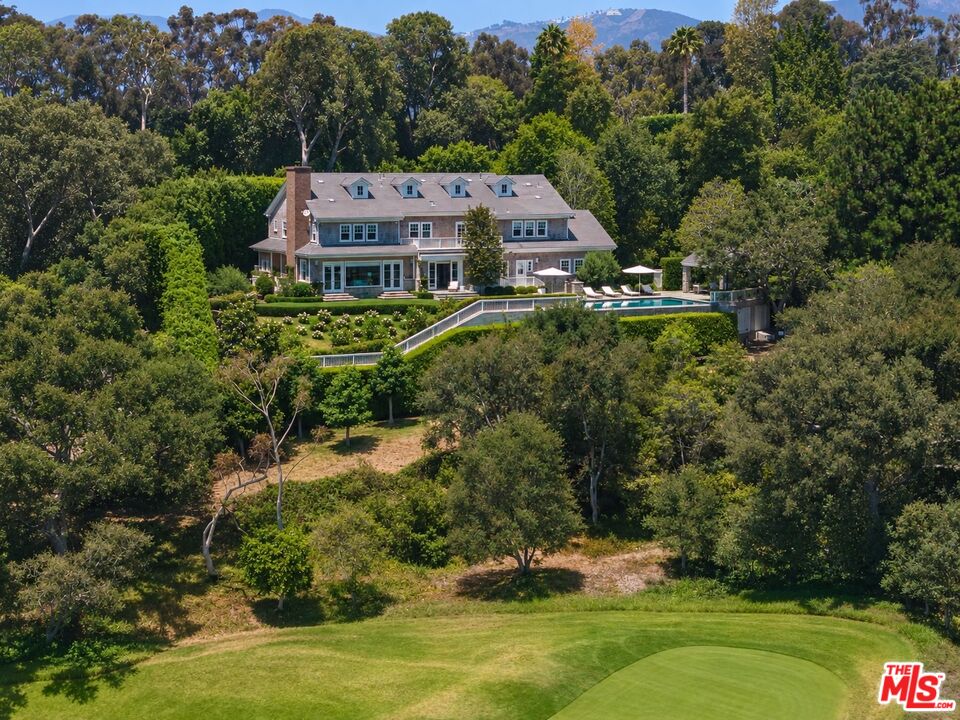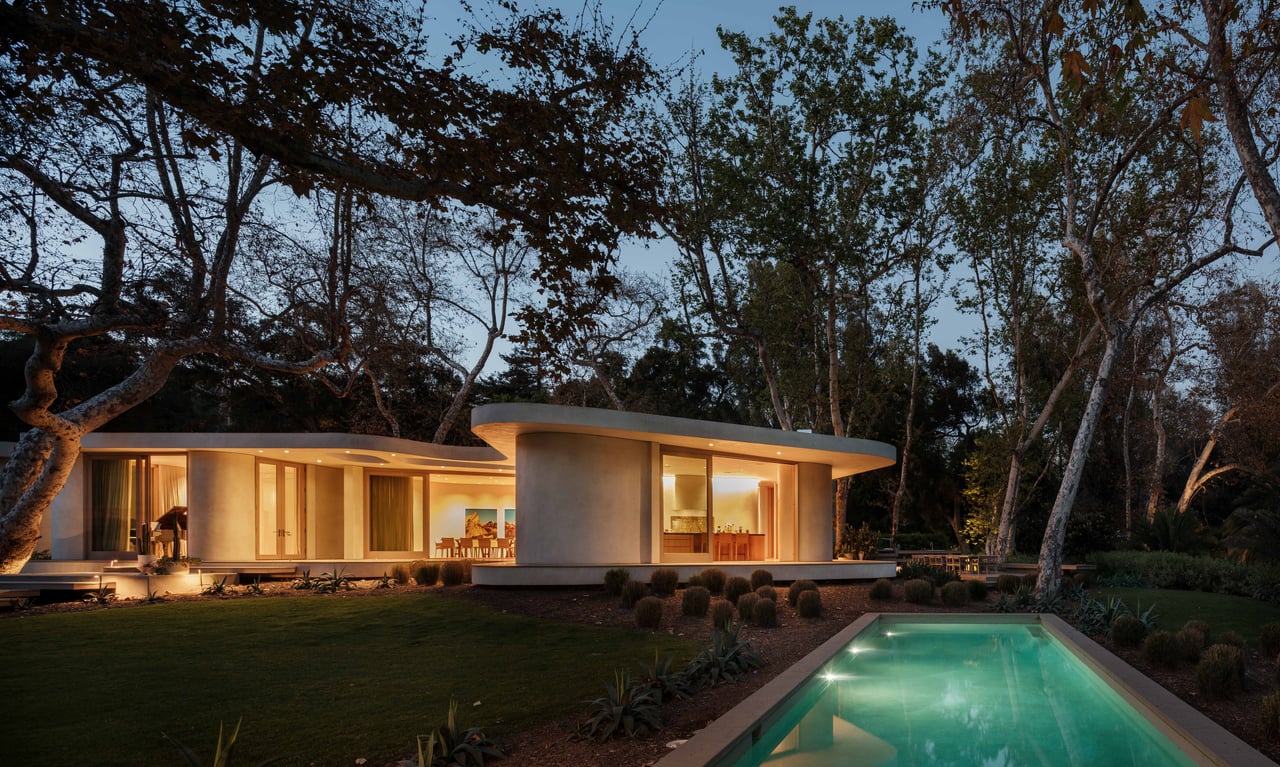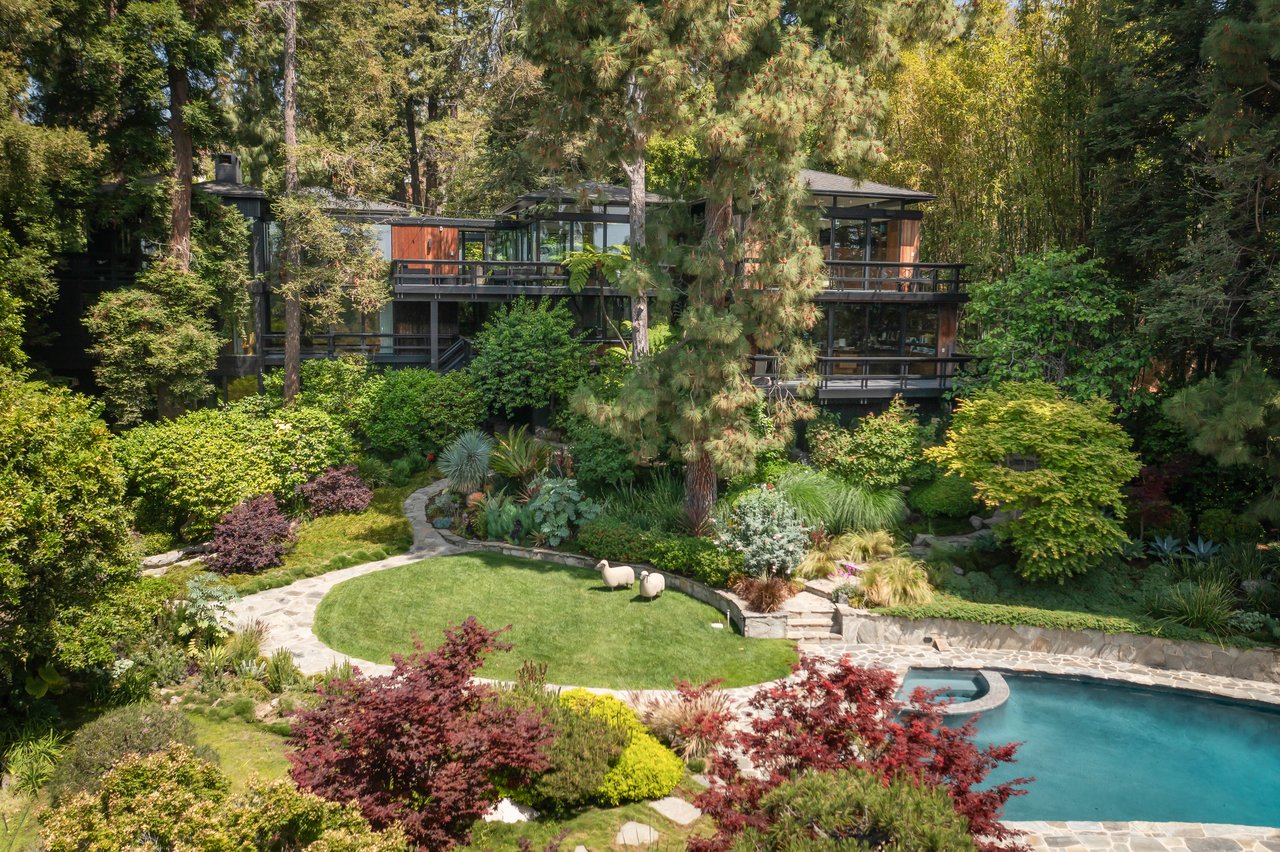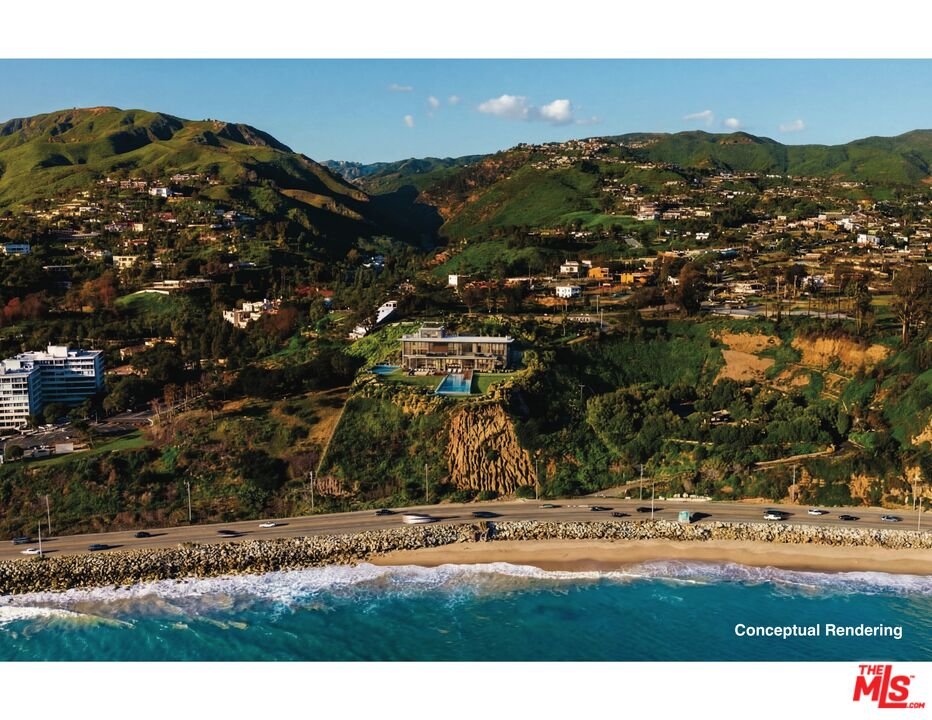
Buying, selling, or rebuilding in Pacific Palisades in 2026 means navigating a market unlike any other in Los Angeles. Our agents guide clients through standing homes, vacant land, and rebuild decisions, including the insurance and permitting realities behind each transaction. Contact our team at christiesresocal.com/contact or call 310.893.8300.
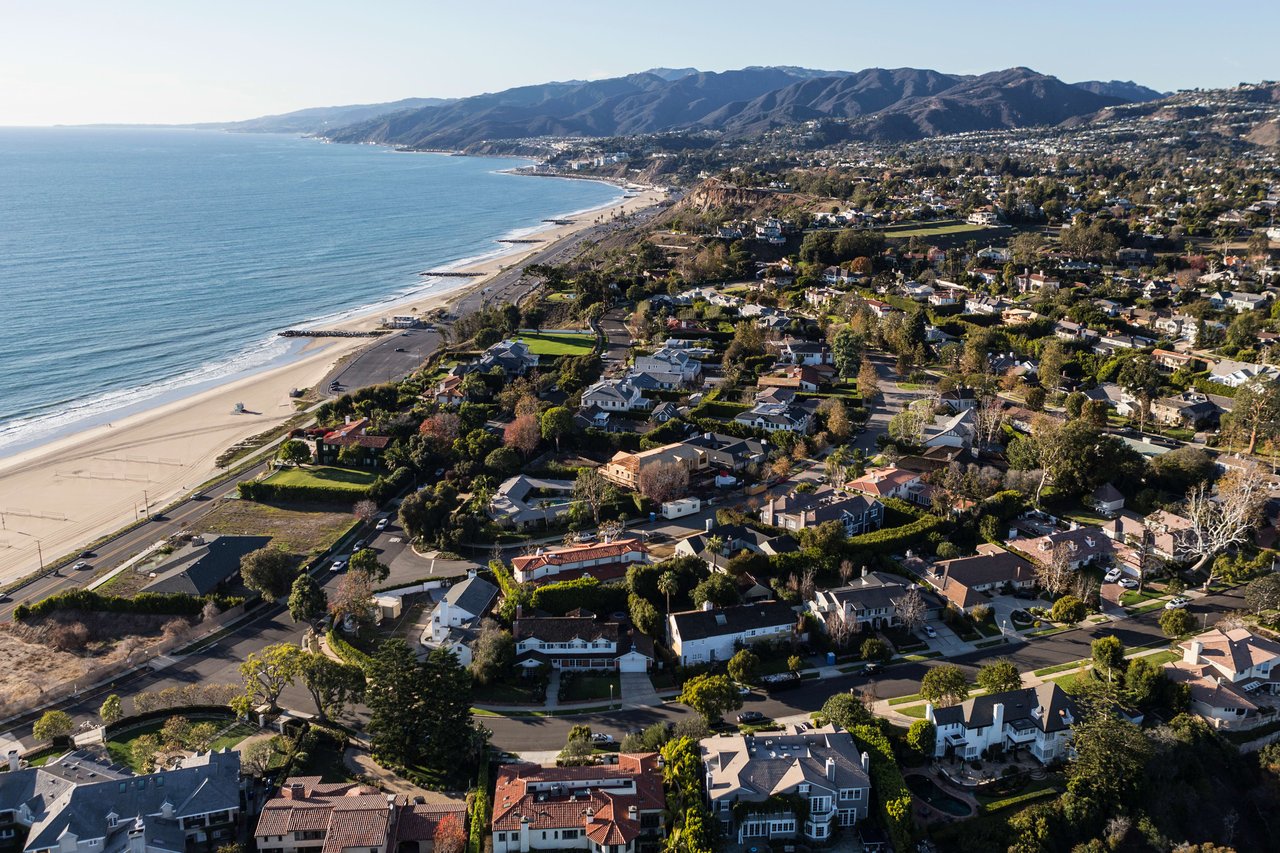
Pacific Palisades is a coastal neighborhood within the City of Los Angeles, set between Santa Monica to the south and Malibu to the north, where the Santa Monica Mountains meet the Pacific. It is part of the City of Los Angeles, sits in Los Angeles County, uses ZIP code 90272, and is served by the Los Angeles Unified School District. Long valued for its village center, canyon trails, and ocean bluffs, the Palisades has historically been one of the most sought-after addresses on the Westside.
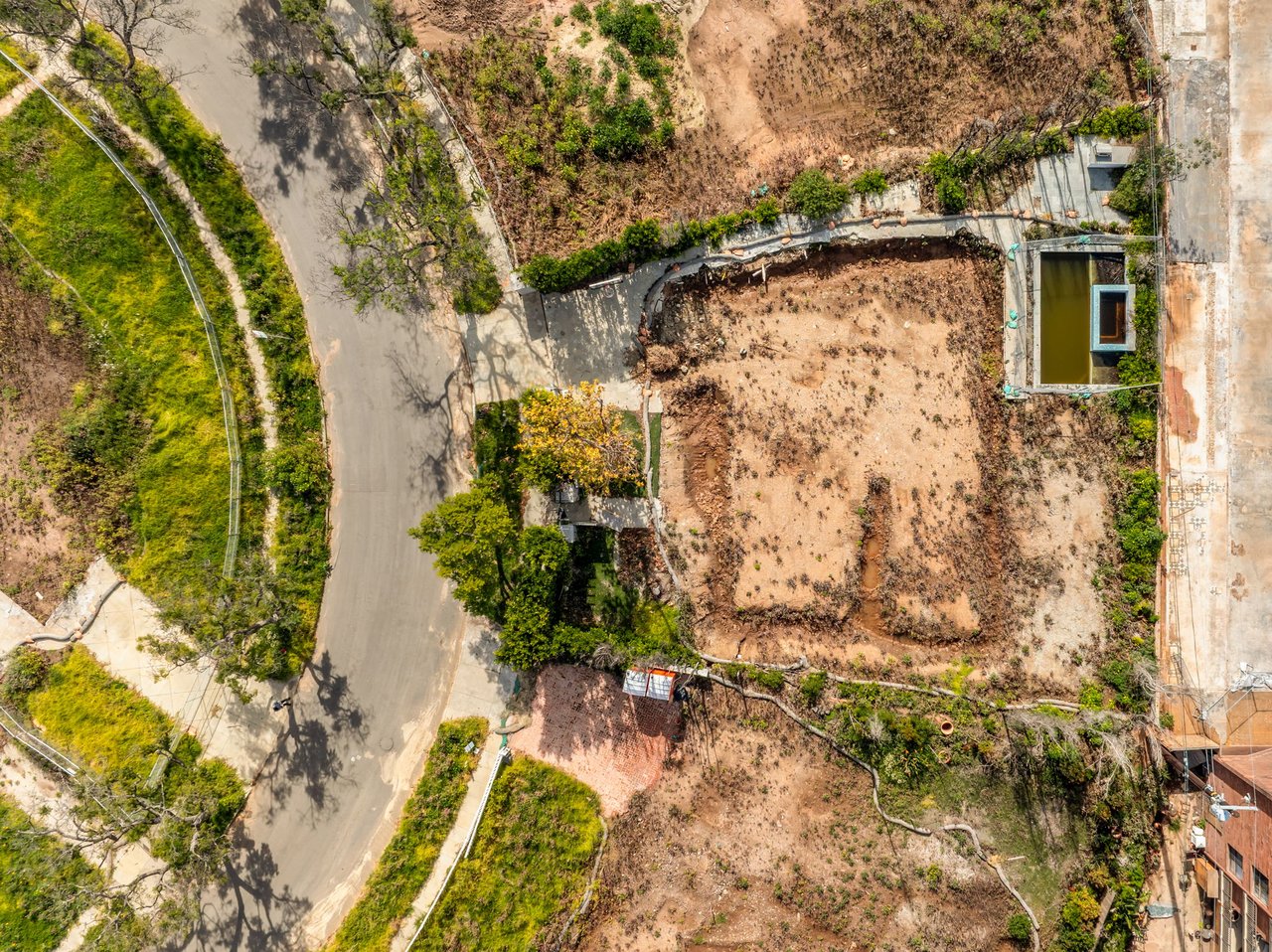
The January 2025 Palisades Fire reshaped the community. The fire burned approximately 23,448 acres and destroyed or damaged more than 5,000 structures, displacing a significant share of the neighborhood's roughly 23,000 pre-fire residents.[1] In 2026 the Palisades is a community in active recovery. Coastal and eastern edges that were spared continue to transact, while large areas are now defined by cleared lots, permits, and homes in various stages of rebuilding. Any honest look at Pacific Palisades real estate today has to account for all three realities.
The 2026 market splits into three distinct segments, each with its own pricing logic. Active listing inventory sits roughly 60 percent below the pre-fire five-year average, the median sale price is near $3.5 million (down about 17 percent year over year), and transaction volume has actually risen as buyers re-enter at adjusted price points.[2]
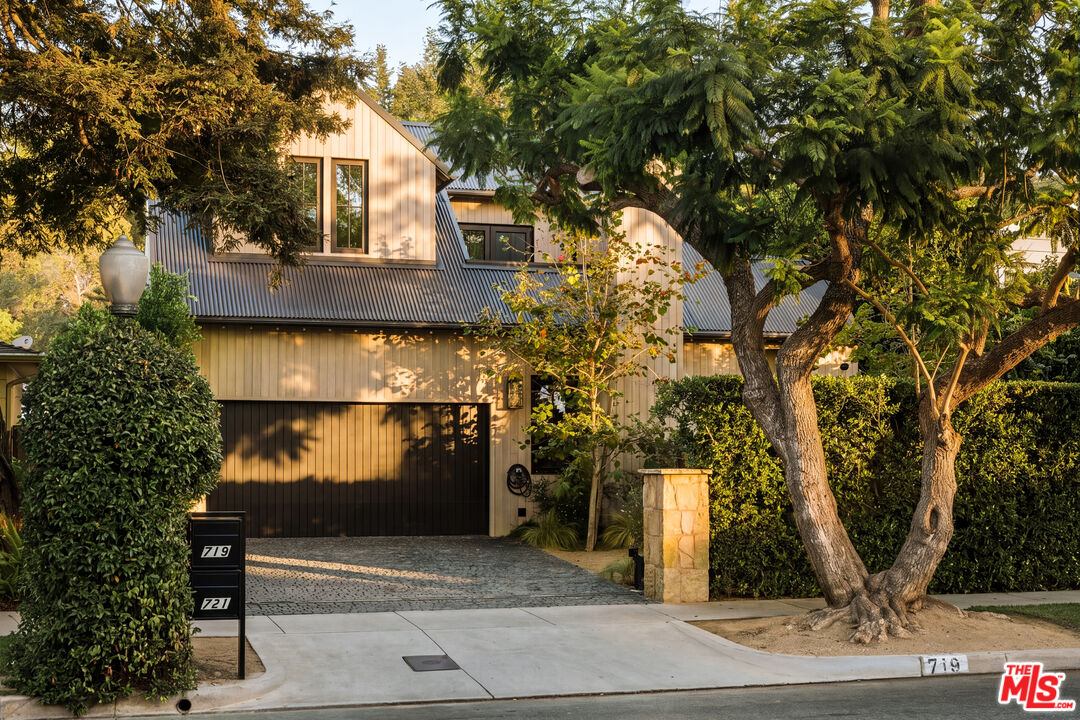
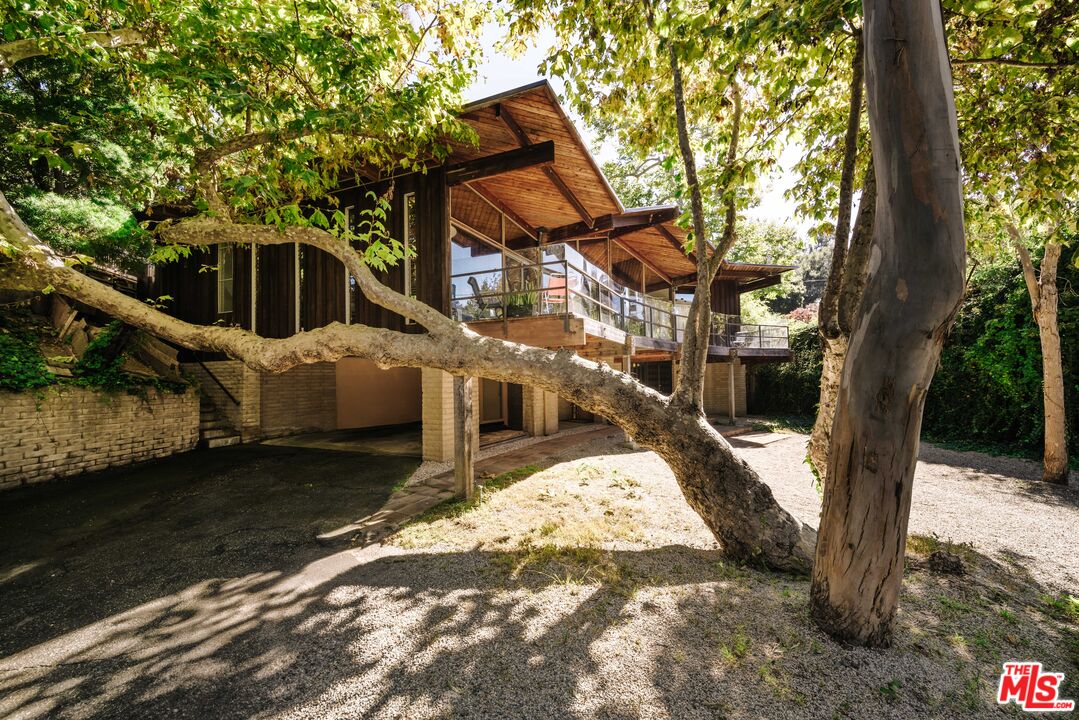
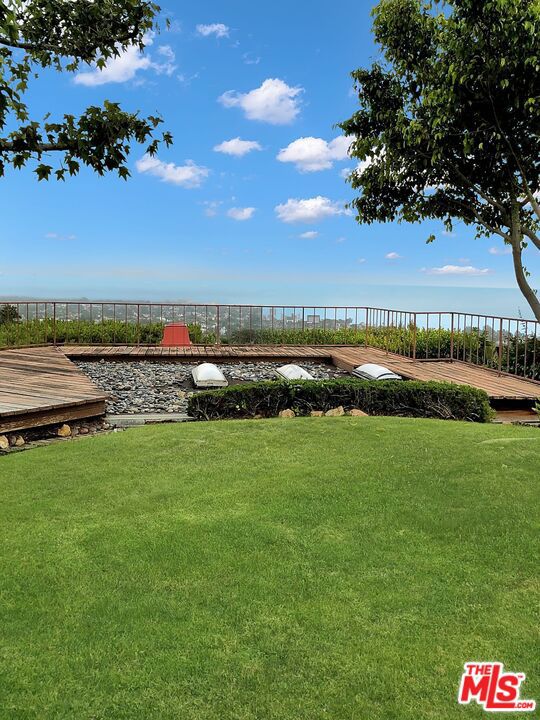
Unaffected properties along the coast and the eastern side of the neighborhood continue to sell. Homes in lower fire-risk zones with existing insurance in place are commanding strong premiums as buyers prioritize coverage availability.
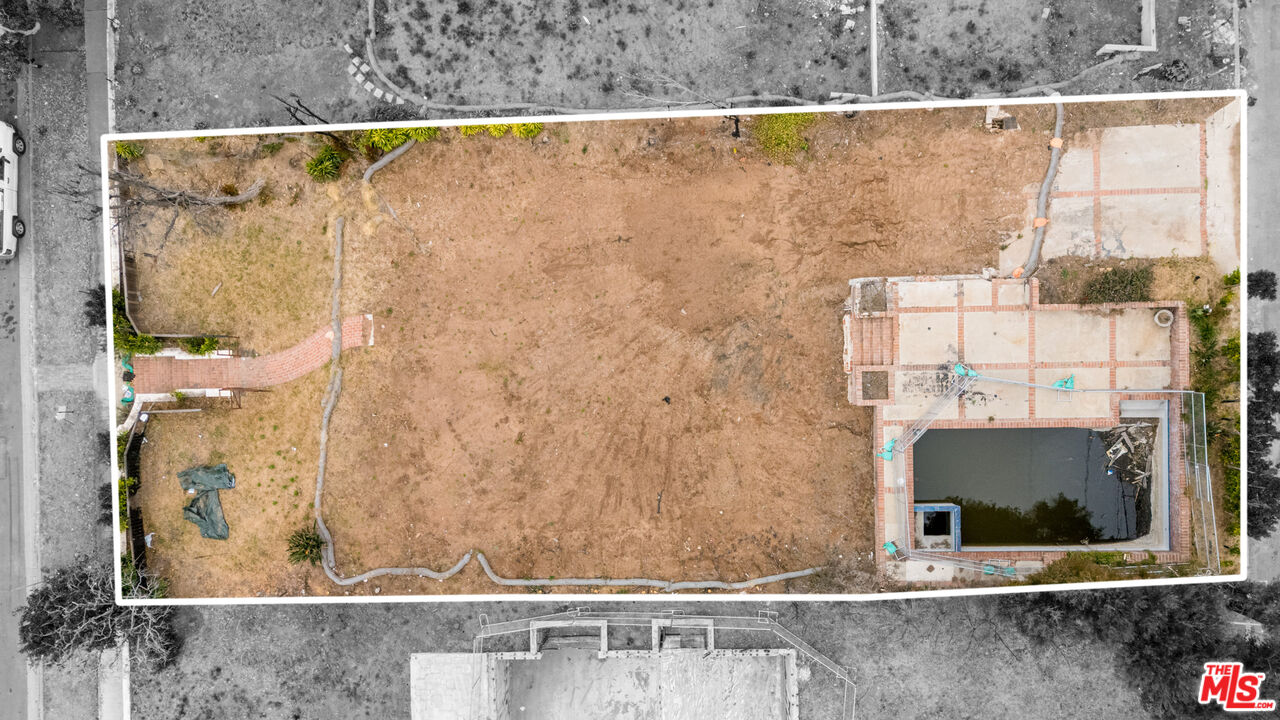
Cleared lots are entering the market at a pace exceeding 75 listings per month, with investors accounting for a large share of purchases. Pricing is uneven: some lots trade below pre-fire value while sellers anchor others to post-rebuild potential.[4]
Demand has spilled into neighboring areas as displaced residents and buyers seek standing homes nearby. Brentwood and parts of Santa Monica have seen increased interest from buyers who want proximity to the Palisades while a rebuild is underway.
For buyers considering a lot purchase and rebuild, three factors drive the decision: permits, cost, and timeline. Permitting runs through the City of Los Angeles Department of Building and Safety, with an expedited review track for like-for-like rebuilds that stay within the original footprint and square footage. Like-for-like applications have been processing in roughly four to seven months.[3]
Rebuild costs in 2026 generally range from about $350 to $500 per square foot for a standard build, $500 to $750 for mid-range finishes, and $750 per square foot and up for high-end custom work, before architectural fees, geotechnical work on hillside sites, and contingency.[3] Contractor capacity across the LA Basin is stretched by the parallel Altadena rebuild, so a realistic timeline from permit to occupancy currently runs 18 to 24 months. These figures are estimates and shift with conditions; buyers should obtain written estimates from licensed contractors before committing.
In 2026, insurance shapes nearly every Pacific Palisades transaction. Many buyers now ask about coverage availability and cost before square footage. Conventional carriers have continued to pull back from coastal hillside markets, leaving the California FAIR Plan as the insurer of last resort for many properties, with premiums that have risen substantially since the fire.[2] Because mortgage approval in California requires fire coverage, confirming insurability early is essential for any purchase or rebuild plan.
Pacific Palisades is served by the Los Angeles Unified School District (LAUSD), with Palisades Charter High School the primary public high school for the area. Several local schools were affected by the January 2025 fire, and operations and campus status have continued to evolve through the recovery. Families should verify current school assignments and operational status directly with LAUSD and the individual schools before relying on them in a purchase decision.[5]
Pacific Palisades sits along the coast between Santa Monica and Malibu, with the Pacific Coast Highway running along its shoreline and Sunset Boulevard cutting through the village center. The neighborhood is roughly 5 miles from Santa Monica, 8 miles from Brentwood, and about 16 miles west of Downtown Los Angeles. Access is primarily by private vehicle via PCH and Sunset Boulevard. Drivers should confirm current PCH conditions, since post-fire reconstruction has periodically affected coastal traffic.
Pacific Palisades is in Los Angeles County, within the City of Los Angeles. It is a neighborhood rather than an independent city, served by the LAPD and LAUSD, and uses ZIP code 90272.
Yes. Standing homes on the coastal and eastern edges continue to sell, and vacant lots are entering the market for buyers who plan to rebuild. Rebuilds are permitted through the City of Los Angeles Department of Building and Safety, with an expedited track for like-for-like reconstruction. Buyers should plan for an 18 to 24 month timeline from permit to occupancy and confirm insurability early.
The median sale price is around $3.5 million as of early 2026, down roughly 17 percent year over year. Pricing varies sharply by segment: unaffected standing homes with insurance in place command premiums, while vacant lots trade across a wide and uneven range depending on location and rebuild potential.
Rebuild costs in 2026 generally run about $350 to $500 per square foot for a standard build, $500 to $750 for mid-range finishes, and $750 and above for high-end custom work. These figures exclude architectural and engineering fees, geotechnical work on hillside sites, and contingency. Always obtain written estimates from licensed contractors.
Insurance availability is the central variable in the 2026 market. Many conventional carriers have pulled back from coastal hillside areas, leaving the California FAIR Plan as the insurer of last resort for many properties, with elevated premiums. Because California mortgages require fire coverage, buyers should confirm insurability and cost before committing to a purchase or rebuild.